

Acupuncture for Menstrual Pain—A Natural Alternative to Medication
Many women experience intense discomfort and pain during their menstrual cycle. This pain, medically known as dysmenorrhea, can range from mild cramps to severe pain that disrupts daily activities. Common symptoms include lower abdominal pain, back pain, headaches, nausea, and fatigue. While pain medications offer temporary relief, they may have side effects and don’t address the root causes. This has led many women to seek natural alternatives. Acupuncture for menstrual pain has gained popularity as a holistic approach that not only reduces symptoms but also works to balance the body’s energy. Women looking for period pain relief without dependency on medications are increasingly turning to Traditional Chinese Medicine (TCM) practices. Acupuncture may offer a promising solution that treats both symptoms and underlying causes of menstrual discomfort. In this blog, we’ll discuss whether the treatment provides relief from such pain and if it’s a better alternative to over-the-counter medicines.
Understanding Menstrual Pain and Its Impact on Daily Life
Dysmenorrhea affects up to 45%-95% of women during their reproductive years. The pain typically begins just before or at the start of menstruation and can last for several days. For many women, this monthly pain significantly impacts their quality of life. So, let’s first understand what menstrual pain is and what its symptoms are. Menstrual pain occurs when the uterus contracts too strongly during menstruation. These contractions can compress nearby blood vessels, cutting off oxygen supply to the muscle tissue. This creates the cramping sensation many women experiences. Menstrual pain typically starts in the lower abdomen but can spread to the lower back and thighs. Many women also experience other symptoms alongside the cramping. Common signs include throbbing or cramping pain in your lower abdomen, headaches, nausea, dizziness, or digestive problems. Some women also experience fatigue, irritability, and even difficulty concentrating during painful periods. The severity varies greatly from person to person. For some, it’s a mild discomfort that’s easily managed. For others, the pain can be intense enough to interfere with daily activities and responsibilities.
Types of Menstrual Pain
There are two main types of dysmenorrhoea:
Primary Dysmenorrhoea
This is the most common form and isn’t linked to other medical conditions. It typically starts within a year or two of the first period. The pain occurs just before or during menstruation and lasts between 12 to 72 hours. It’s believed to be caused by prostaglandins, which stimulate uterine contractions. This type of pain often lessens with age and may improve after childbirth.
Secondary Dysmenorrhoea
This type is due to underlying reproductive health issues, such as endometriosis or fibroids. The pain often begins earlier in the menstrual cycle and lasts longer than primary dysmenorrhoea. It may also be more intense. Unlike primary dysmenorrhoea, this issue often starts later in life.
How Does Menstrual Pain Affect Quality of Life?
The impact of period pain goes far beyond physical discomfort. Many aspects of your daily life can be disrupted when you’re dealing with dysmenorrhea, such as
Social and Personal Life
Persistent pain may cause individuals to withdraw from social engagements or personal activities. Individuals may have to avoid events they normally enjoy or feel unable to participate fully in family life. These limitations can lead to feelings of frustration or isolation during such times.
Mental and Emotional Well-being
Chronic menstrual pain is linked to increased stress, anxiety, and mood fluctuations. The emotional toll includes increased irritability and feelings of helplessness. The recurring nature of the discomfort can contribute to mental strain, impacting overall health.
Acupuncture for Period Pain Relief
Acupuncture is Traditional Chinese Medicine (TCM), which views health as a balance of energy called Qi. TCM believes period pain occurs when energy becomes blocked in pathways called meridians. The treatment aims to clear these blockages and restore proper energy flow throughout the body.
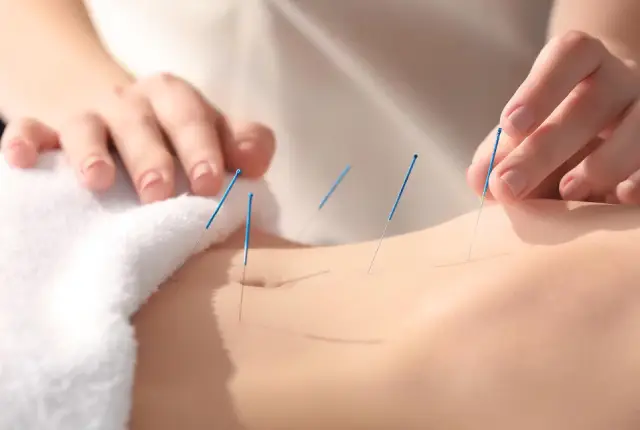
This ancient practice involves inserting thin needles at specific points on the body to regulate energy flow and promote natural healing. It’s meant to improve blood circulation to the uterus and release natural pain-relieving endorphins. There’s research that also supports the use of acupuncture for period pain relief. Several studies have shown that it can help reduce both the intensity and duration of menstrual discomfort.
A complete treatment plan typically involves regular visits to establish lasting results. During such sessions, the acupuncturist will target points related to reproductive health. Common treatment areas include the lower abdomen, lower back, legs, and hands. The needles used are extremely thin, and most women find the procedure relaxing rather than painful.
Improving Blood Flow:
The treatment may increase blood circulation to the reproductive organs. Better blood flow can reduce cramping and discomfort in the lower abdomen and back. This improved circulation brings more oxygen and nutrients to tissues, helping them function better.
Reducing Inflammation
Period pain often results from inflammation in the uterus. Acupuncture for period pain can trigger anti-inflammatory responses in the body. The treatment may lower levels of prostaglandins, which are compounds that cause inflammation and pain during menstruation.
Balancing Hormones
Beyond pain management, acupuncture also addresses hormonal imbalances that often contribute to dysmenorrhea. By regulating hormone levels naturally helps create more comfortable menstrual cycles over time. Regular treatments can lead to more predictable periods and fewer symptoms like mood swings.
Endorphin Release
The body naturally produces pain-relieving chemicals called endorphins. Acupuncture encourages their release, providing relief similar to pain medications but without unwanted side effects. This benefit can last for several days after each session.
How to Choose the Right Acupuncturist for Period Pain Relief
Choosing the right acupuncturist for managing period pain, or any other issue, for that matter, is crucial for effective treatment. Here are some key factors to consider:
Communication and Support
It’s important to feel comfortable with your acupuncturist. They should be approachable, listen to your concerns, and clearly explain the treatment process.
Long Life Health meets all these criteria. We provide expert guidance on how to relieve dysmenorrhea through holistic and personalised treatment plans. Our team has strong experience in acupuncture and Chinese herbal medicine, with a focus on women’s health concerns, including period pain.
We take the time to understand your specific symptoms and create customised treatment plans. Each session addresses your unique menstrual pain patterns. Moreover, Long Life Health clinic provides a peaceful and clean environment where you can relax during treatment.
If you’re struggling with monthly period pain and need acupuncture for menstrual pain in Melbourne, contact us today. We’re committed to helping you achieve more comfortable menstrual cycles and improve your overall well-being through natural solutions. You can call us on 03 9375 2928 or write to us at info@longlifehealth.com.au. Let us guide you towards a healthier, pain-free life with our holistic remedies.


